Short answerTo import a trailer, flatbed or container chassis into the USA you need an importer of record with US Customs, the invoice and title or certificate of origin of the unit, its 17-character VIN, and the DOT HS-7 form declaring that the unit complies with the Federal Motor Vehicle Safety Standards (FMVSS). Fast Distribution Services has handled more than 100 imports of these units through Laredo, Texas, and we have a yard to store them while the entry clears or until delivery.
Dry vans, flatbeds, lowboys and container chassis cross through Laredo every day. Still, importing them is not like importing boxed goods: a trailer is a motor vehicle, and on the US side that means Department of Transportation (DOT) requirements on top of customs. If the paperwork is incomplete, the unit sits at the border accruing charges.
Types of units we import into the USA
- Flatbeds, tandem and tri-axle.
- Lowboys and drop decks for heavy equipment.
- Container chassis for 20, 40 and 45 ft containers.
- Dry vans for general freight.
- Specialized and multi-axle trailers for oversize loads.
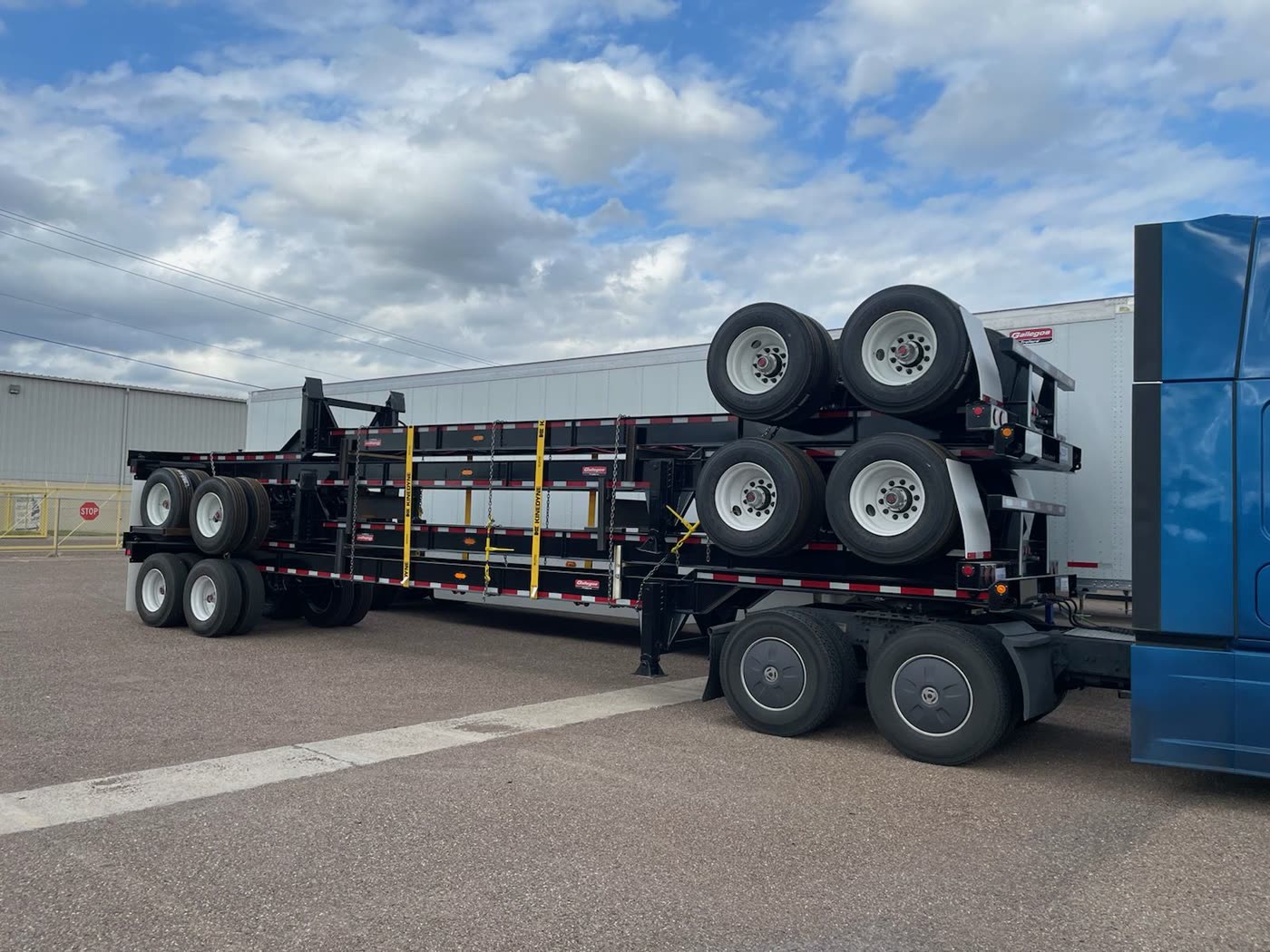
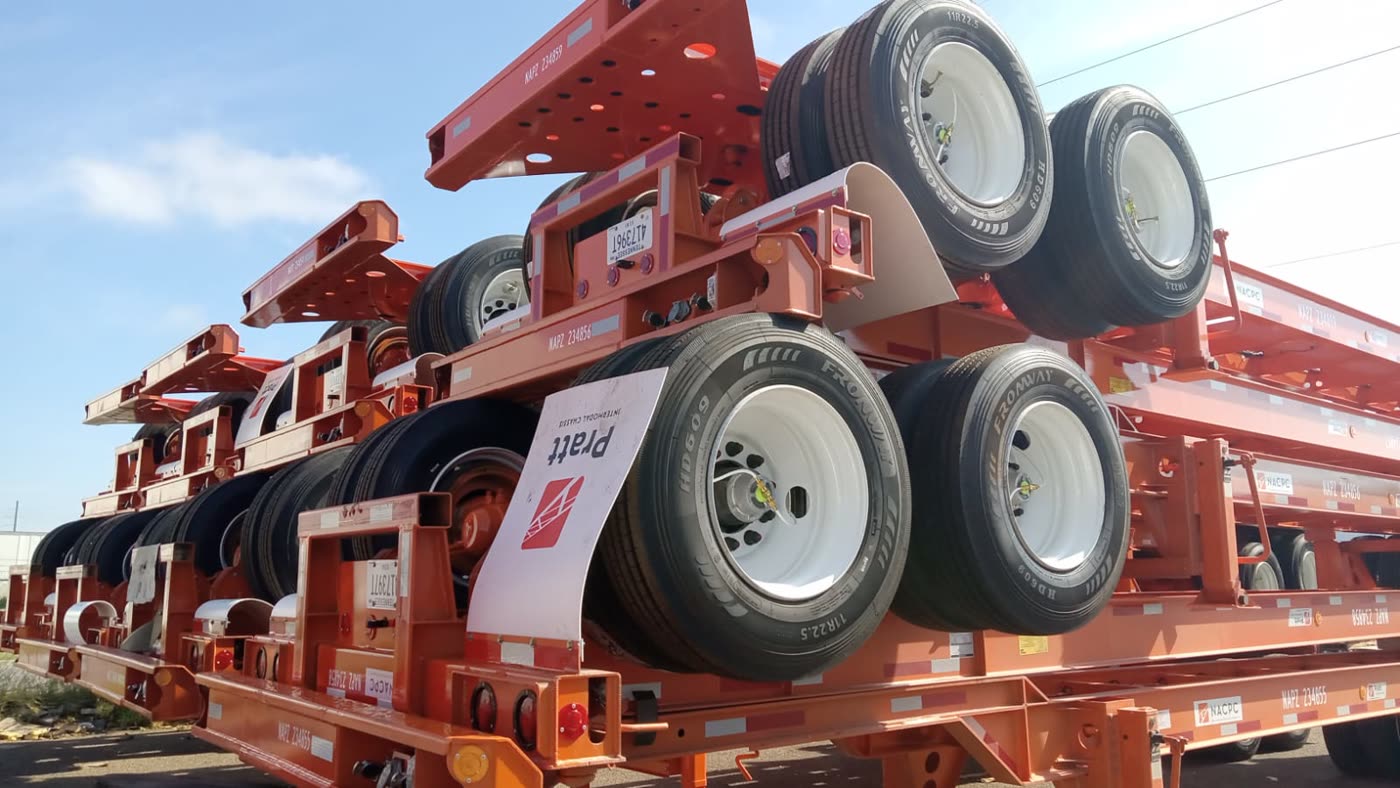
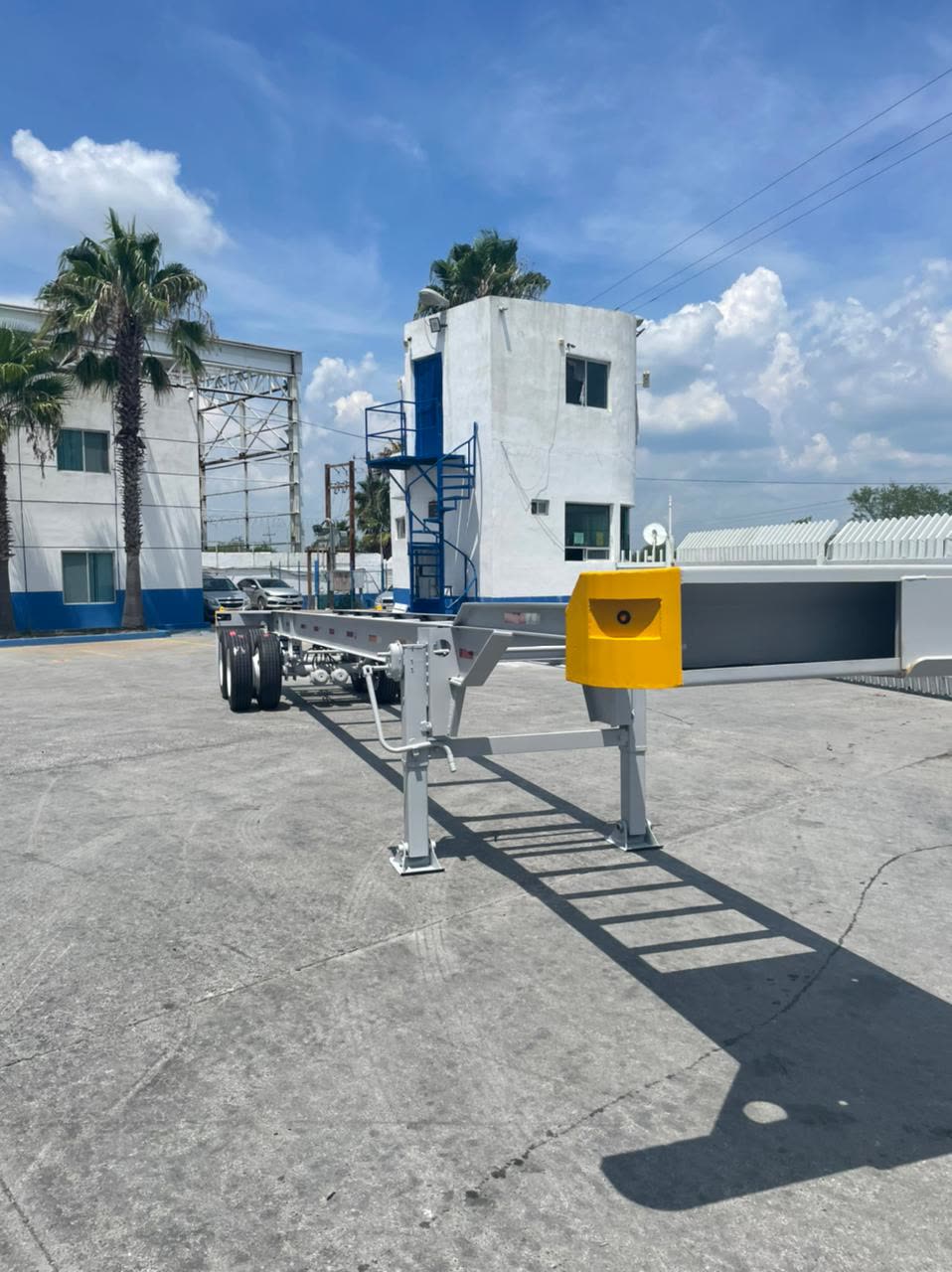
The DOT HS-7 form: what the importer must file
Every motor vehicle entering the United States, trailers included, must be declared to NHTSA, the safety agency within the DOT, on the HS-7 form. The importer signs it and states the basis on which the unit is admitted. For most new trailers built for the US market, the declaration is that the unit conforms to the FMVSS and carries the manufacturer's certification label.
For that declaration to hold, check the following before the unit ships to the border:
- A 17-character VIN stamped on the frame and shown on the documents.
- The manufacturer's certification label on the unit, stating it meets the applicable FMVSS, including lighting and reflectors, brakes, and the rear impact guard.
- A manufacturer registered with NHTSA. Manufacturers based outside the USA also need a designated agent in the US.
- Invoice and title or certificate of origin in the buyer's name.
A trailer without an engine normally does not need the EPA import form that applies to engine-powered vehicles. If the unit is used or has no certification label, the case is very different and should be reviewed before you buy it.
Step by step through Laredo
- Document check before the unit leaves the plant: invoice, VIN, label and importer details.
- Mexican export pedimento and US entry, with the correct HTS classification and a USMCA certification of origin if the unit qualifies.
- HS-7 signed by the importer and filed with the entry.
- Crossing and release at the commercial bridge.
- Storage in our yard or direct delivery to your customer in the USA.
Yard storage for your units
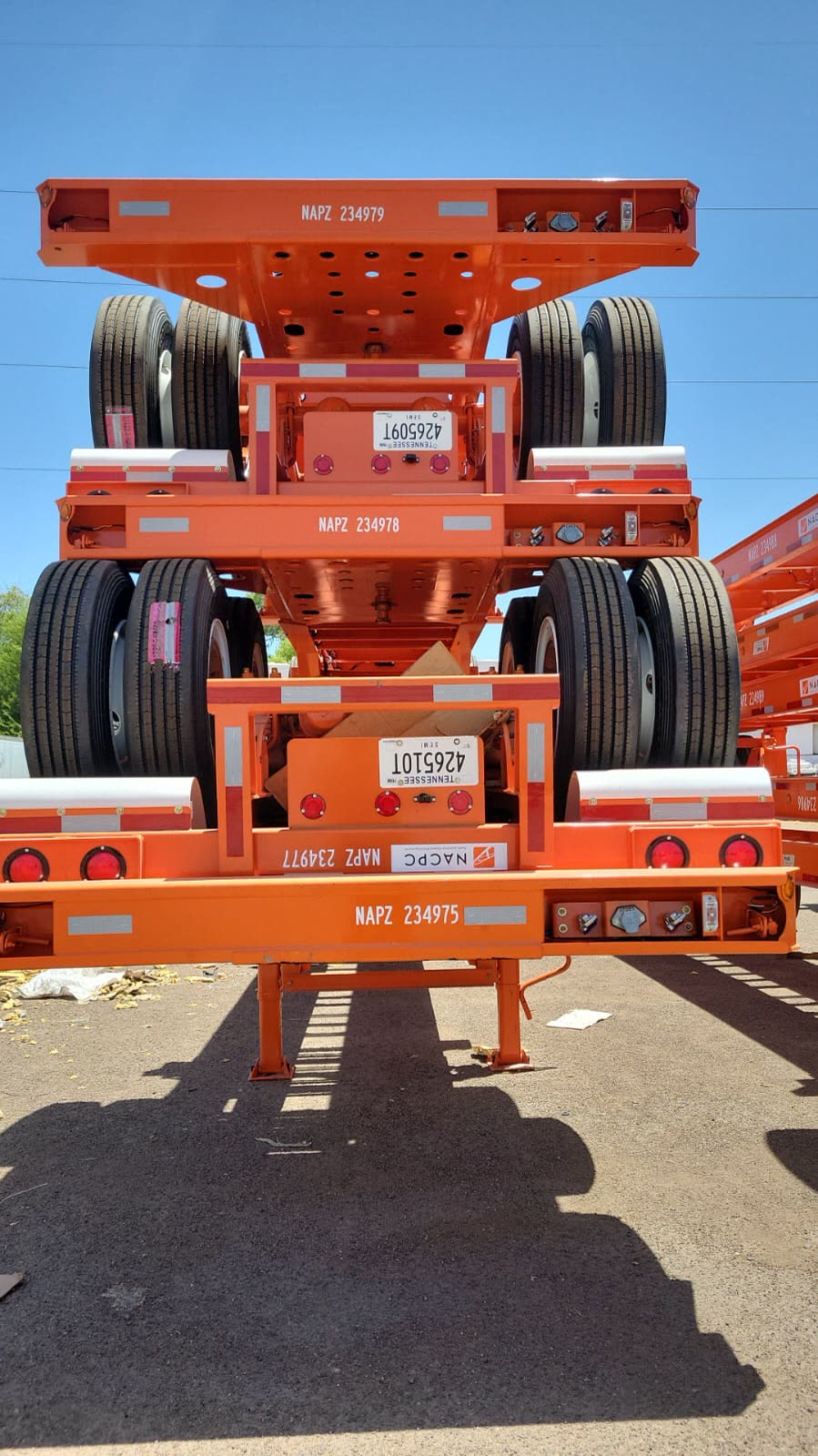
Units don't always move on right away. You may be waiting on a driver or a payment, or a customer may want to pick up several at once. At our Laredo warehouse we have yard space to store trailers, flatbeds and chassis while paperwork clears or delivery is arranged. That keeps them out of border storage and its fees.
We also import trailer components into Mexico
Many manufacturers build trailers in Mexico with US-sourced parts. We have imported knocked-down trailer components into Mexico: chassis, axles, brakes, suspensions, lights, wheels and harnesses. We receive the parts in Laredo, consolidate them and cross them with their pedimento so they reach the assembly plant complete.
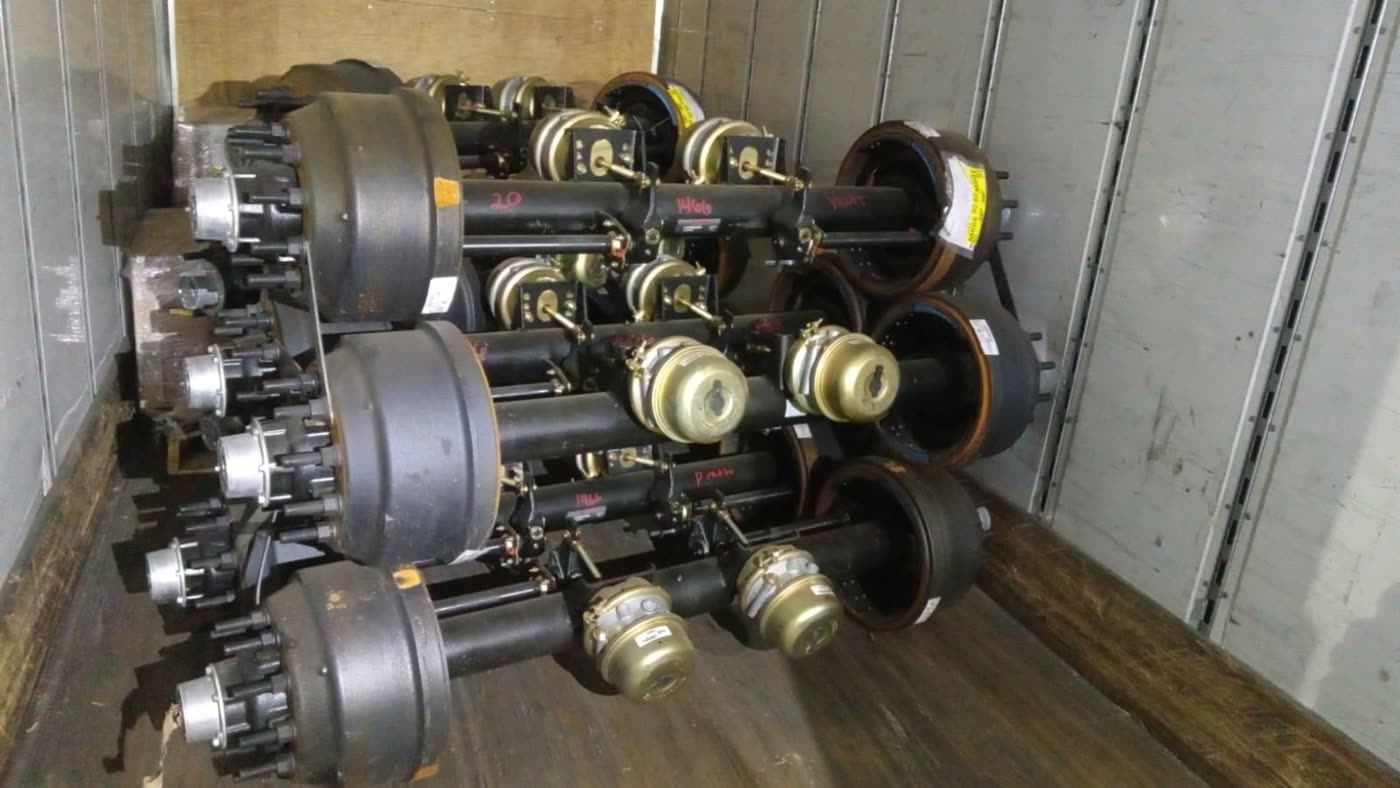
More than 100 trailer imports through Laredo
We have handled more than 100 imports into the USA of flatbeds, trailers and container chassis. We know what Customs checks, what the DOT requires and where these entries usually get stuck. If you are about to sell or move units into the US, tell us how many and what type, and we will tell you which documents to prepare.
Frequently asked questions
What is the HS-7 form?
It is the NHTSA declaration filed with the import of any vehicle or equipment subject to federal safety standards. The importer states whether the unit conforms to the FMVSS or which exception applies.
Does a trailer need an EPA form?
A trailer without an engine normally does not. If the unit has an engine, such as a self-powered reefer unit, review the case before crossing.
Can I import a used trailer into the USA?
Yes, if it was built to the FMVSS and still has its certification label and VIN. Without them it may not be admissible, so check before you buy.
Where are the units kept while the entry clears?
In our yard in Laredo, Texas. We hold them there until they are delivered or your customer picks them up.
Do you also import trailer parts into Mexico?
Yes. We receive chassis, axles, brakes, lights and other components in Laredo, consolidate them and cross them into Mexico with their pedimento.